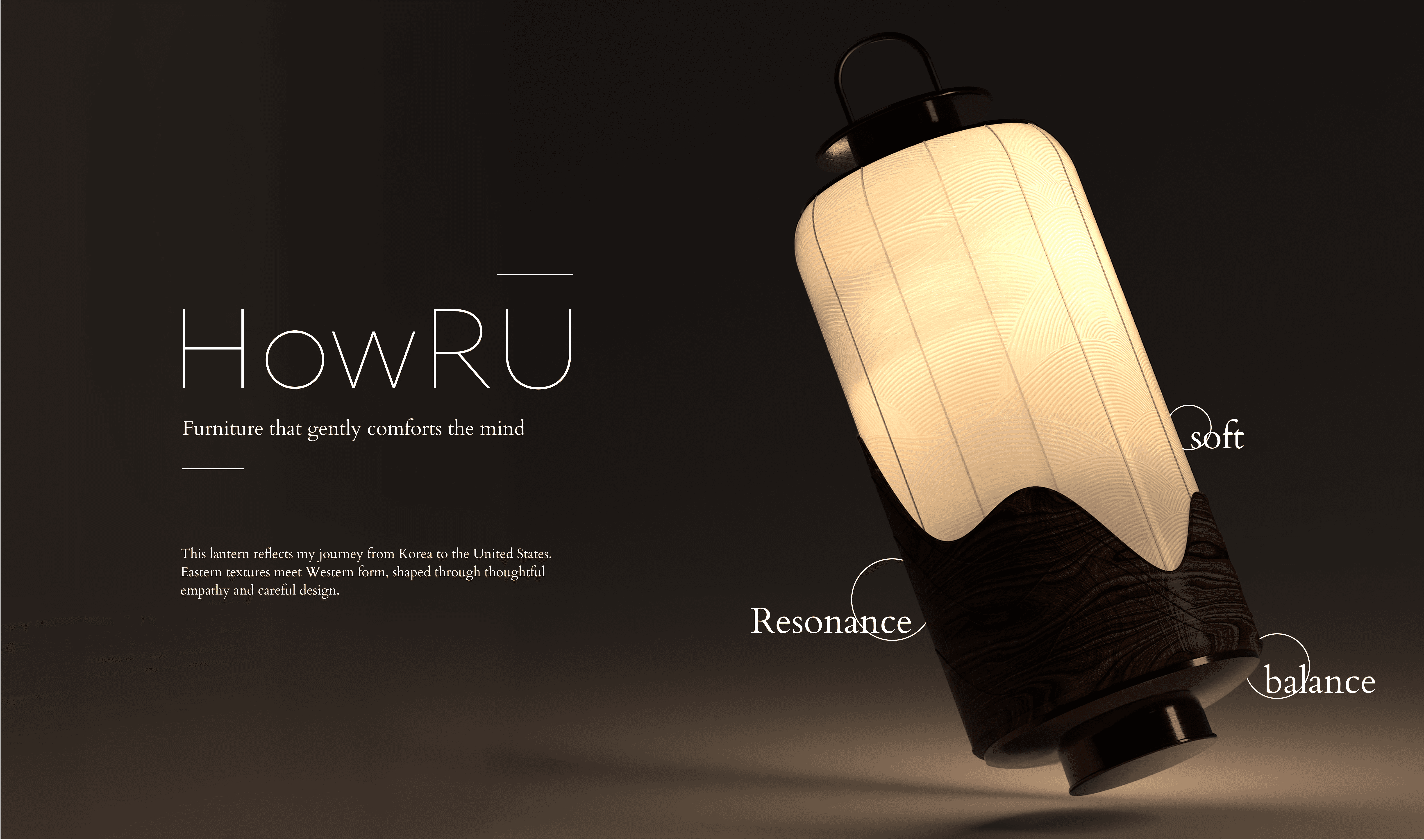
HowRU
Focus : Design Experiment
Duration : 5 Weeks
Tool : ESP-32, Macramé, 3D printing

Have you ever felt disconnected from the world?
A new planet, a new ecosystem
There are moments when I feel disconnected from the environment around me. Sometimes it comes from entering an unfamiliar place, and sometimes from a state of mind that feels slightly detached. When I first arrived in the United States, I experienced this feeling strongly. Everything felt unfamiliar—language, ways of living, food—almost as if I had landed on another planet and was observing a new ecosystem for the first time.
Throughout our lives, we are inevitably placed into new environments.
Humans are fragile. In moments like these, we naturally hope for comfort—for someone or something to make us feel grounded again.
However, comfort does not always come from other people. The world moves quickly, and there is often little space for us to slow down and connect.
This led me to ask a simple question.
Do we always have to rely on others to feel a sense of belonging?
— Problems
Emotional disconnection between people in a fast-paced society
: In a fast-paced society, emotional support often relies on other people who may not always have the time or capacity to respond.
Lack of ways to translate abstract emotions into intuitive physical feedback
: Feelings such as distance, unfamiliarity, or anxiety exist, but there are few ways to make these emotions visible or tangible within a physical environment.
Passive environments that do not respond to human presence
: Most spaces remain passive—unaware of human presence and indifferent to emotional or physical proximity.
Project Goal
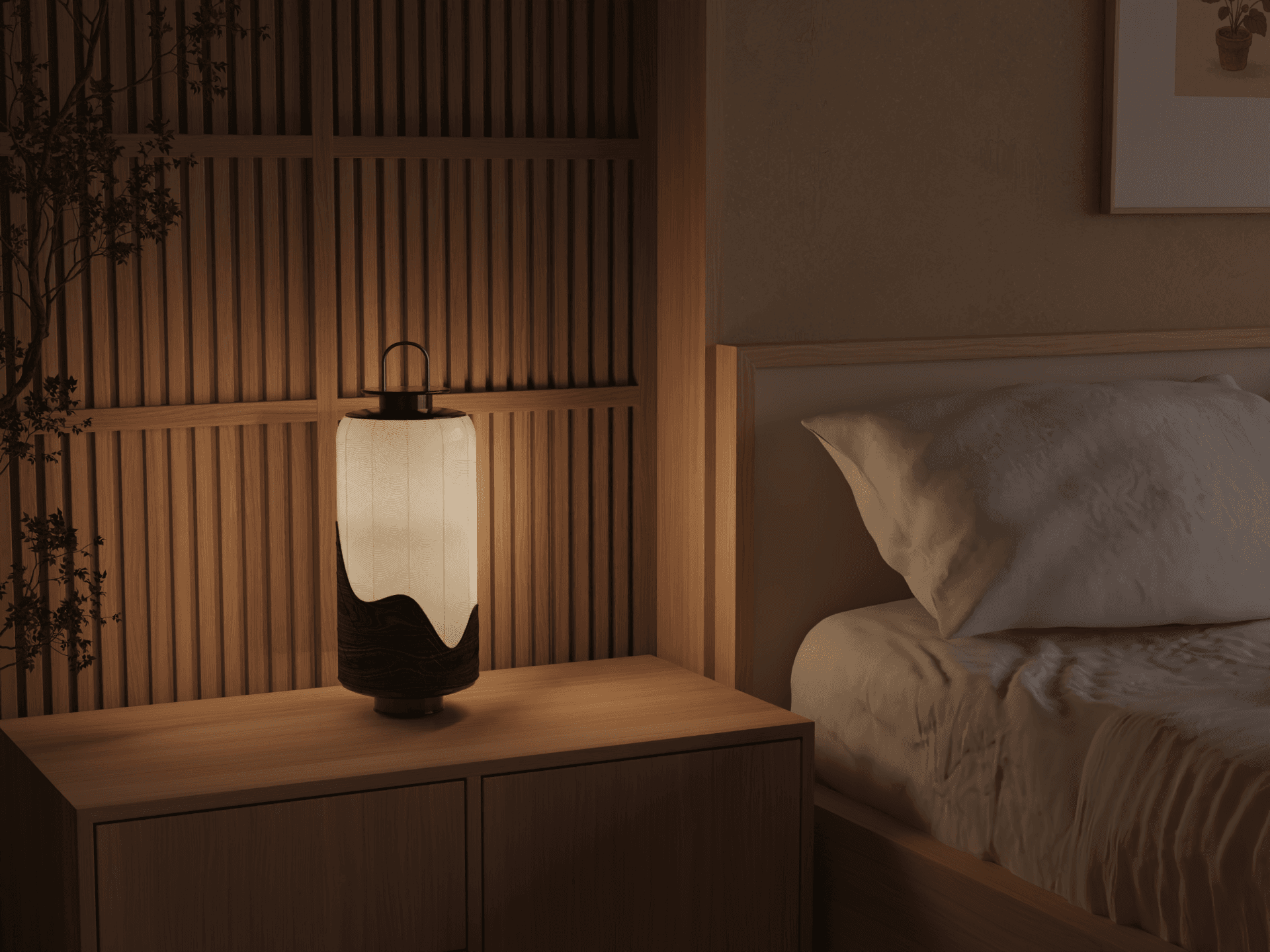
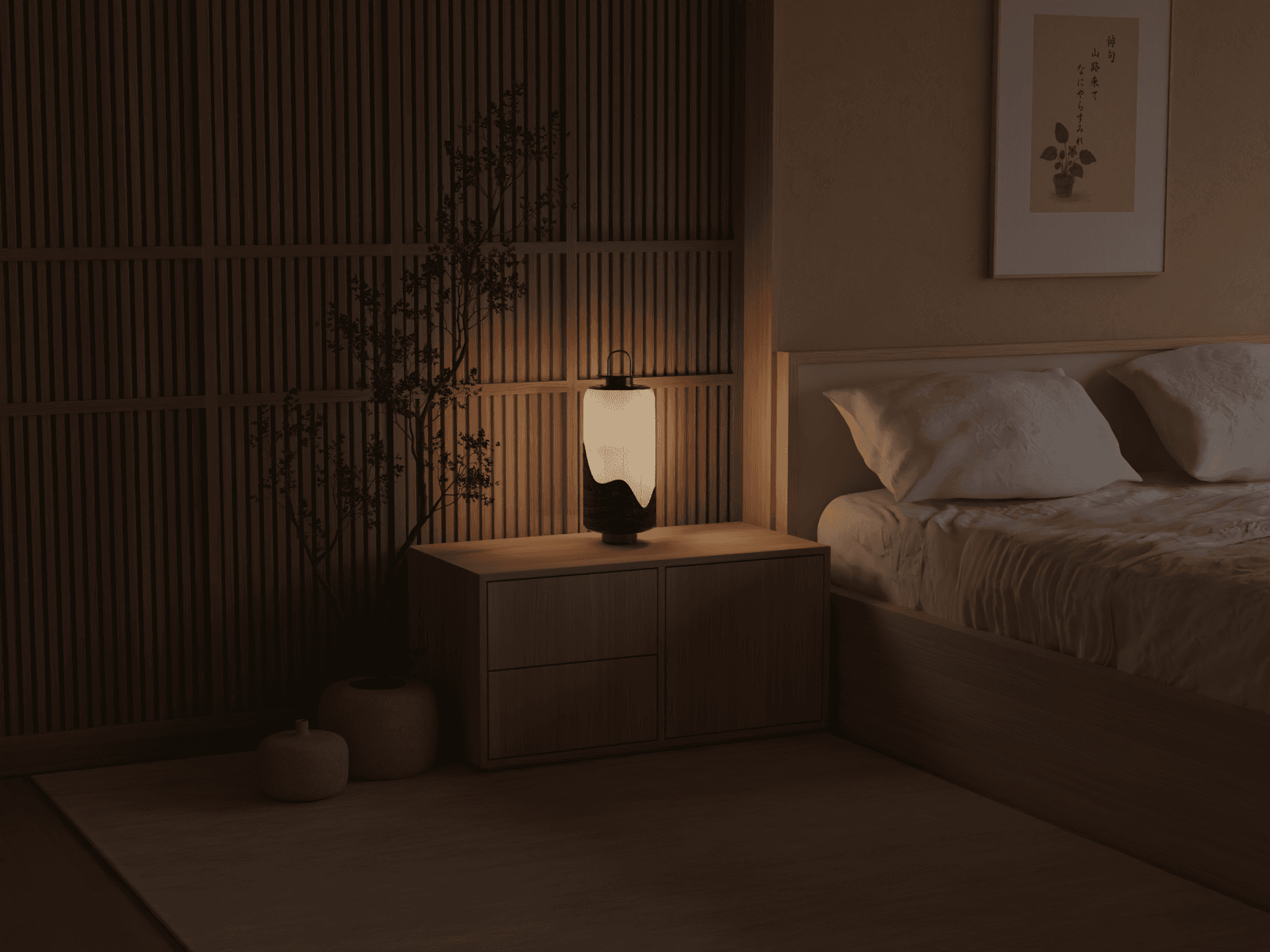
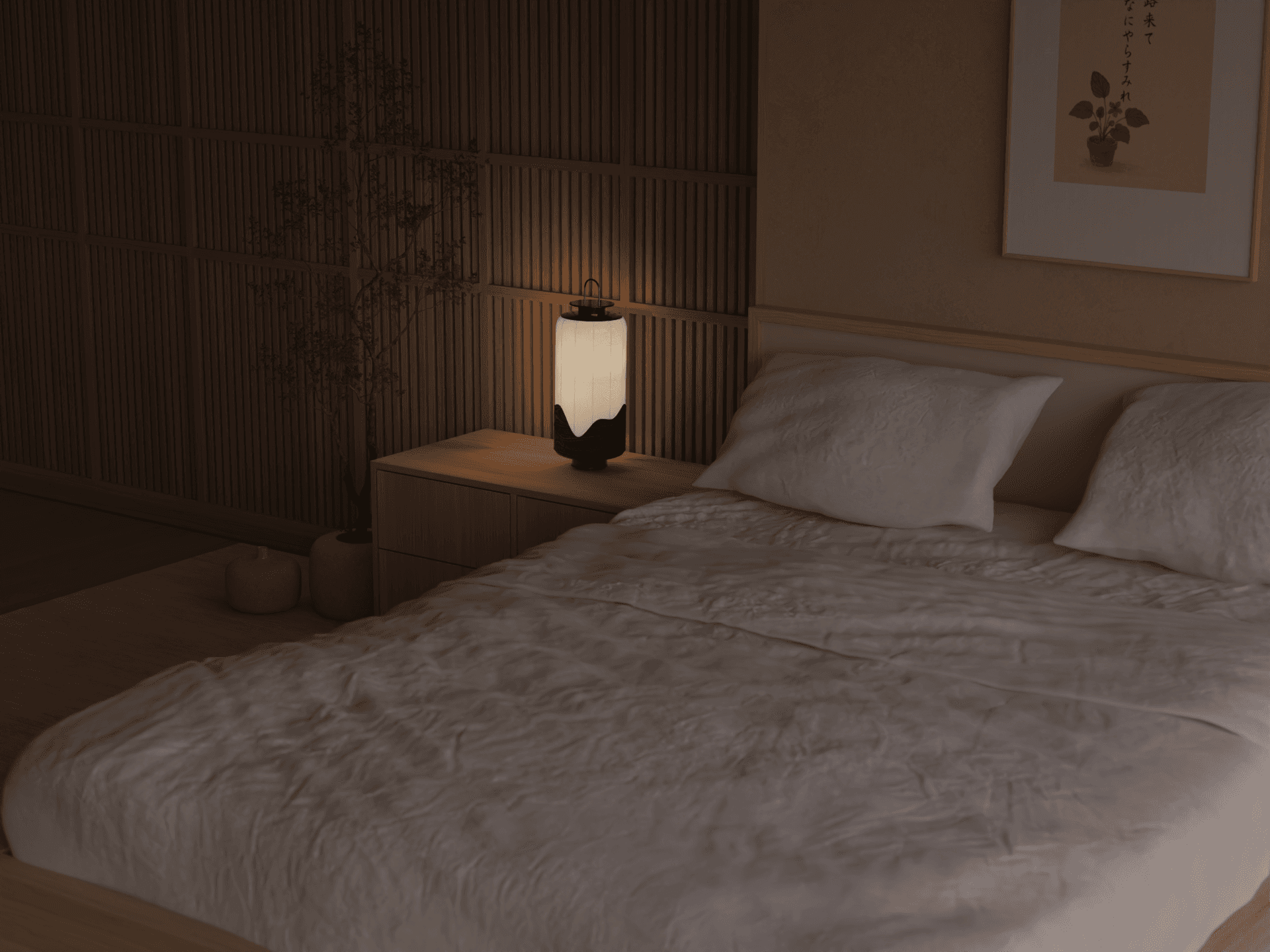
The goal of this project is to explore how an environment can offer emotional comfort by responding to human presence through intuitive physical feedback.
Research and Experiment
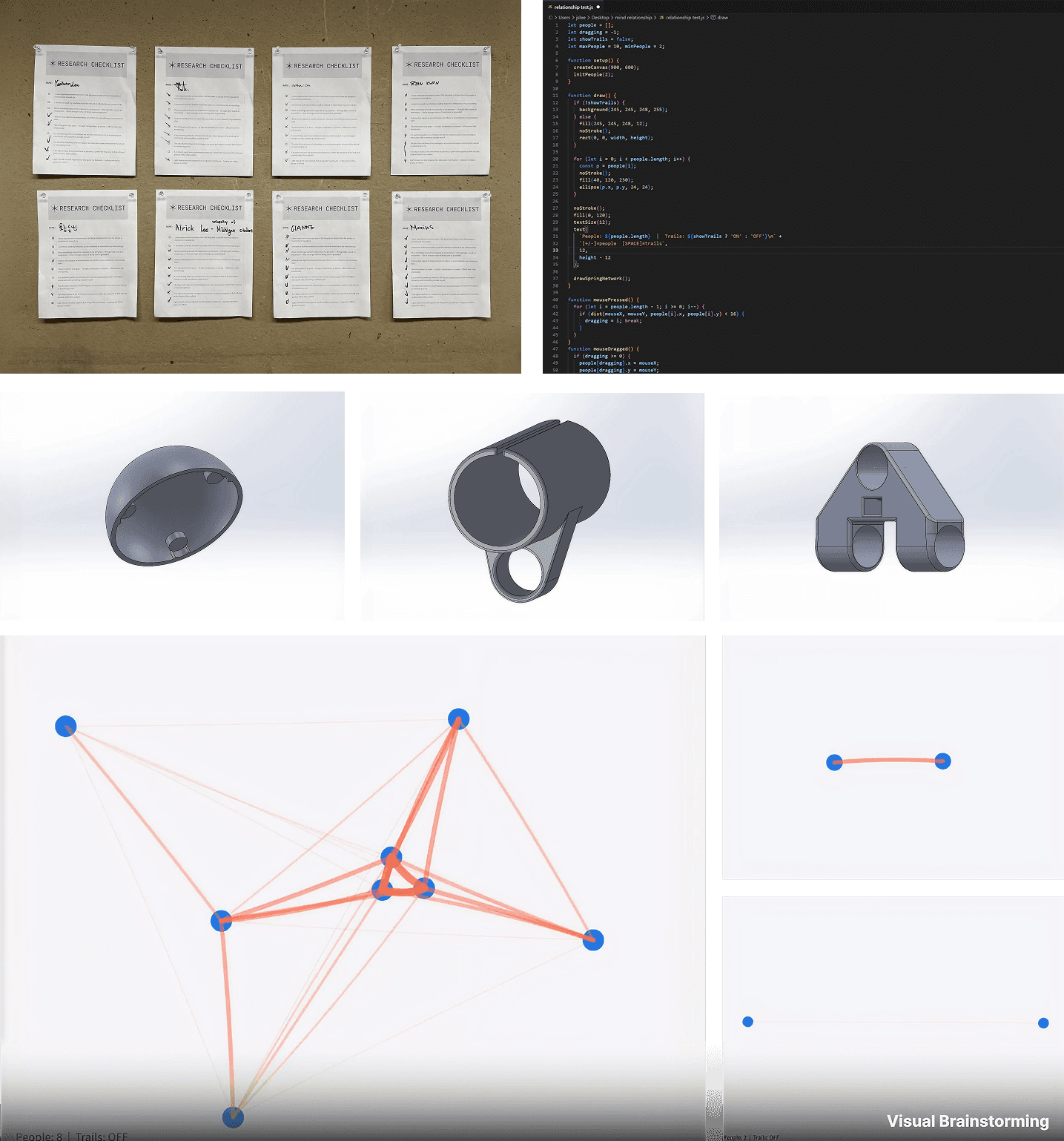
To move toward my project goal, I began with research that questioned whether feelings of disconnection are shared by others, and whether people imagine spaces that could actively respond to them. I conducted a research survey to gather perspectives on emotional isolation and the idea of communicative environments. Most responses reflected similar experiences of disconnection and expressed interest in environments that could interact with humans. Building on this insight, I visualized my concept through a JavaScript interface, testing how emotional distance might be represented through interaction. This experiment led me to focus on proximity as a key design parameter—using distance as a way to mediate communication between humans and their environment.
Prototyping
To create a sense of genuine interaction, I focused on immediate feedback and emotional linkage between the user and the product.
Using a ToF infrared distance sensor, I measured proximity as the primary input, allowing the lantern to respond dynamically as users approached. Multiple ESP microcontrollers(ESP-WROOM-32 and ESP-C3) were programmed and connected wirelessly via ESP-NOW to support modularity and compactness.
Custom 3D-printed housings were developed for the electronics, followed by structural components that connected the macramé basket to the mobile body—bridging soft materials with embedded technology.
HowRU?
HowRU points toward a future where environments are not simply occupied, but actively engaged with. By allowing space to respond to human presence, this project explores new possibilities for emotional interaction within everyday objects.
Environment is asking the question we use most often in daily life
“How are you?”

— Experiment Reflections
Technical Reflection : This experiment explored how humans and environments might communicate. Through the process, I realized that meaningful communication requires more than a single input or response. Environments may need to function as complex systems—similar to interconnected neurons—where multiple sensors and technologies work together. In this experiment, interaction remained limited, closer to a reaction than a true communication.
Manufacturing Reflection : At the physical level, I recognized limitations in the refinement of the object. The casing, structural elements, and material connections were not fully resolved. Visible sensors, unfinished wooden components, and the macramé basket revealed the need for more deliberate modeling and professional manufacturing processes.
Design Reflection : The most challenging aspect of this experiment was engaging with human emotion itself. Emotions are highly individual and multi-layered, making them difficult to generalize or average. Through this process, I came to understand how difficult it is to design experiences that work universally across different people and emotional states. Rather than aiming for a single, emotionally “correct” response, this experiment highlighted the limits of designing something that can be equally effective or meaningful for everyone.

Location
314 Benefit St.
Providence, RI
02903
2025 Jungsoo Lee